Tag: Nosy Be weather guide

  • The People of Nosy Be, Madagascar

    The People of Nosy Be, Madagascar

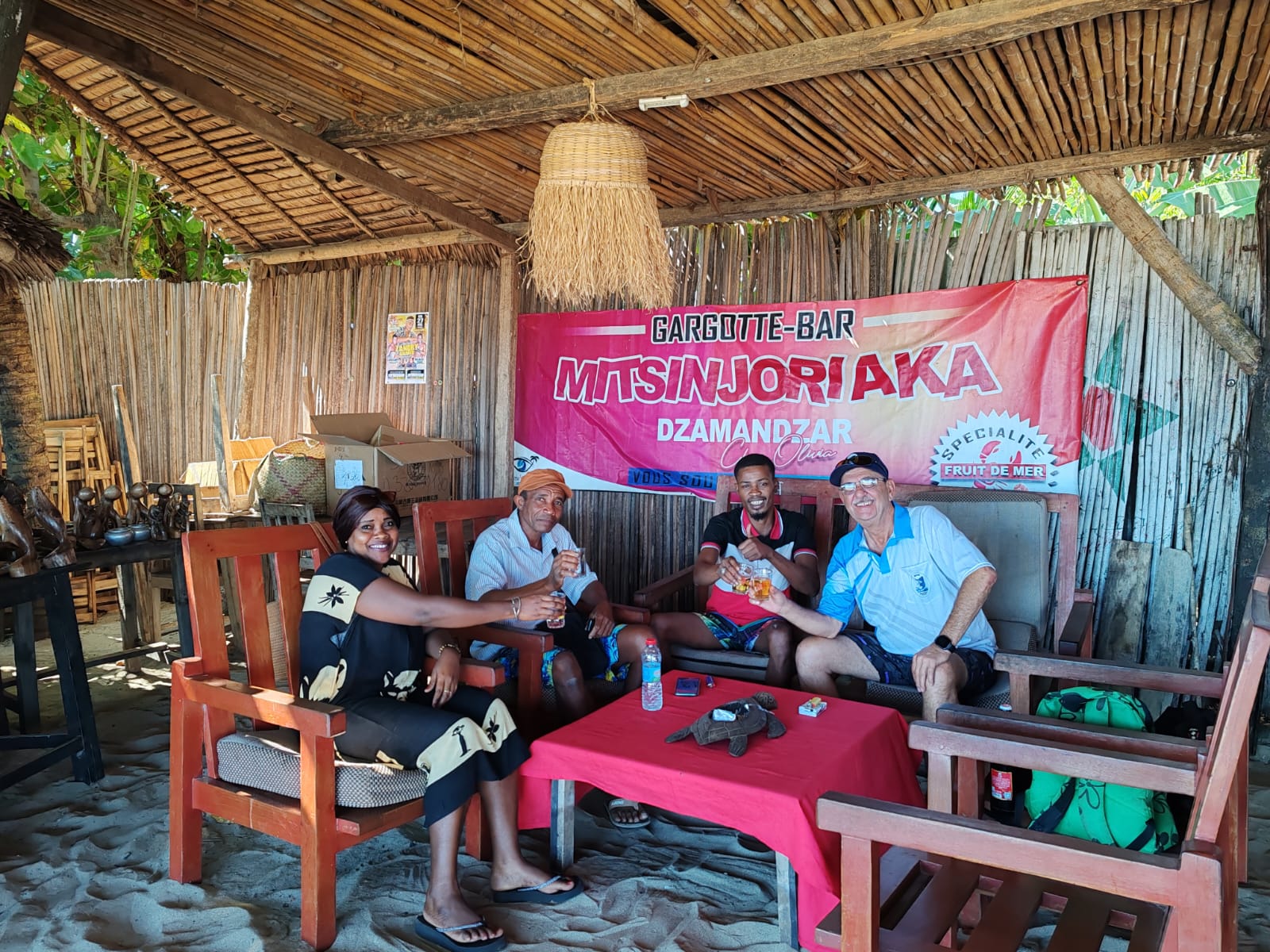
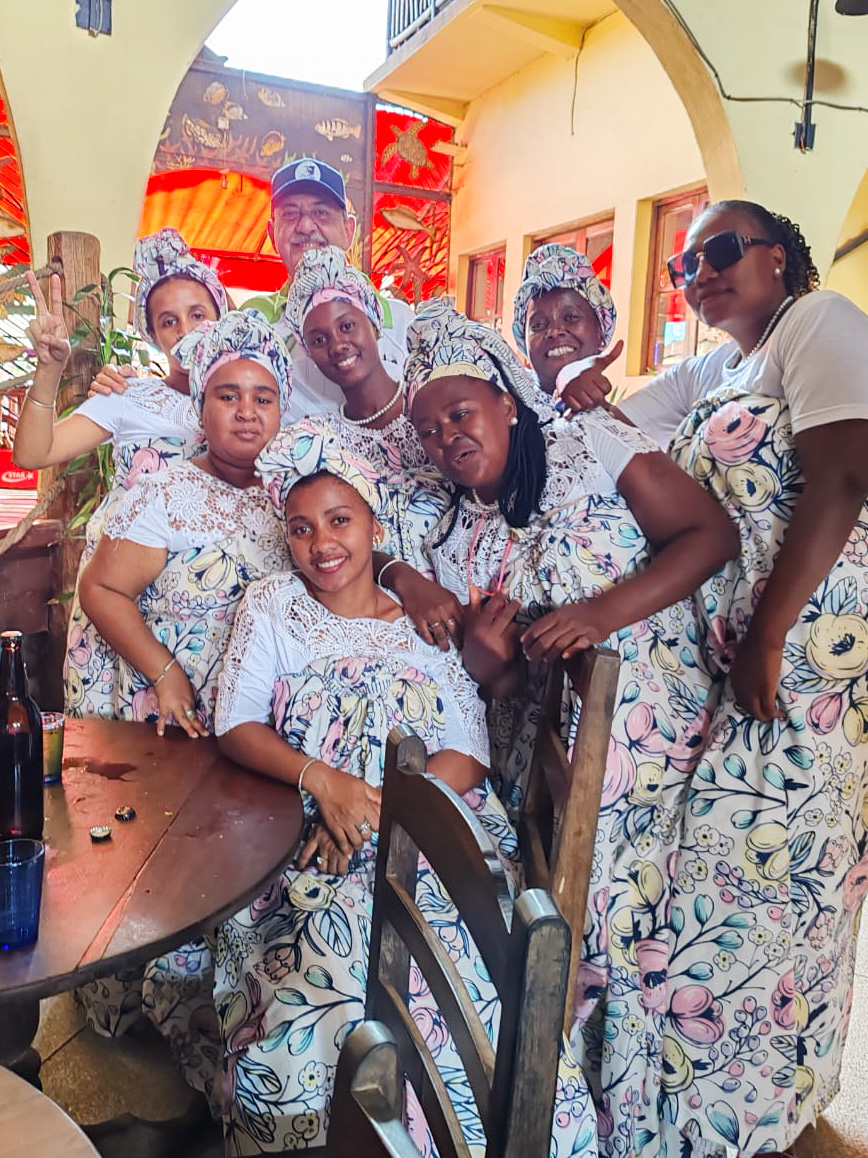
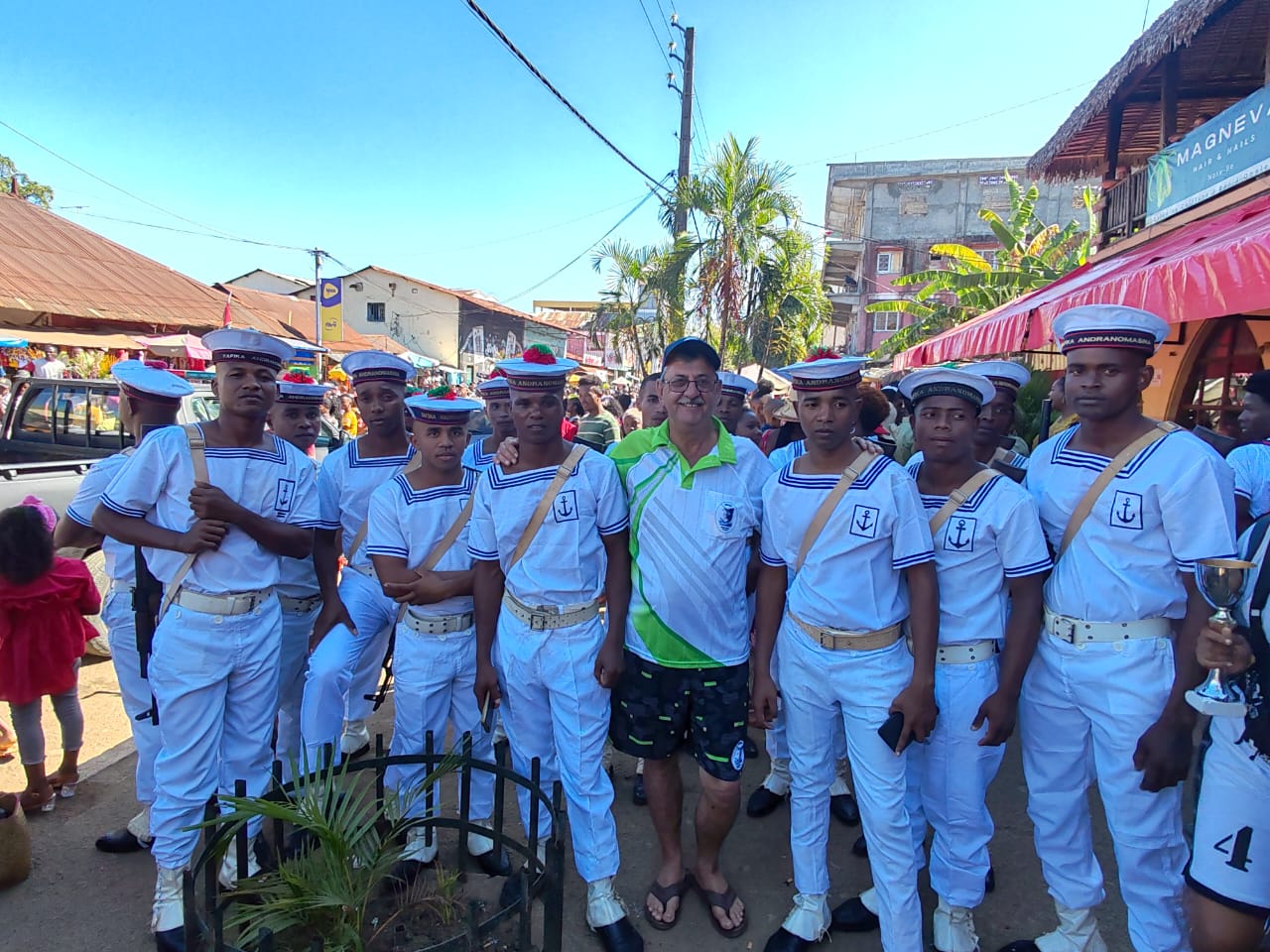
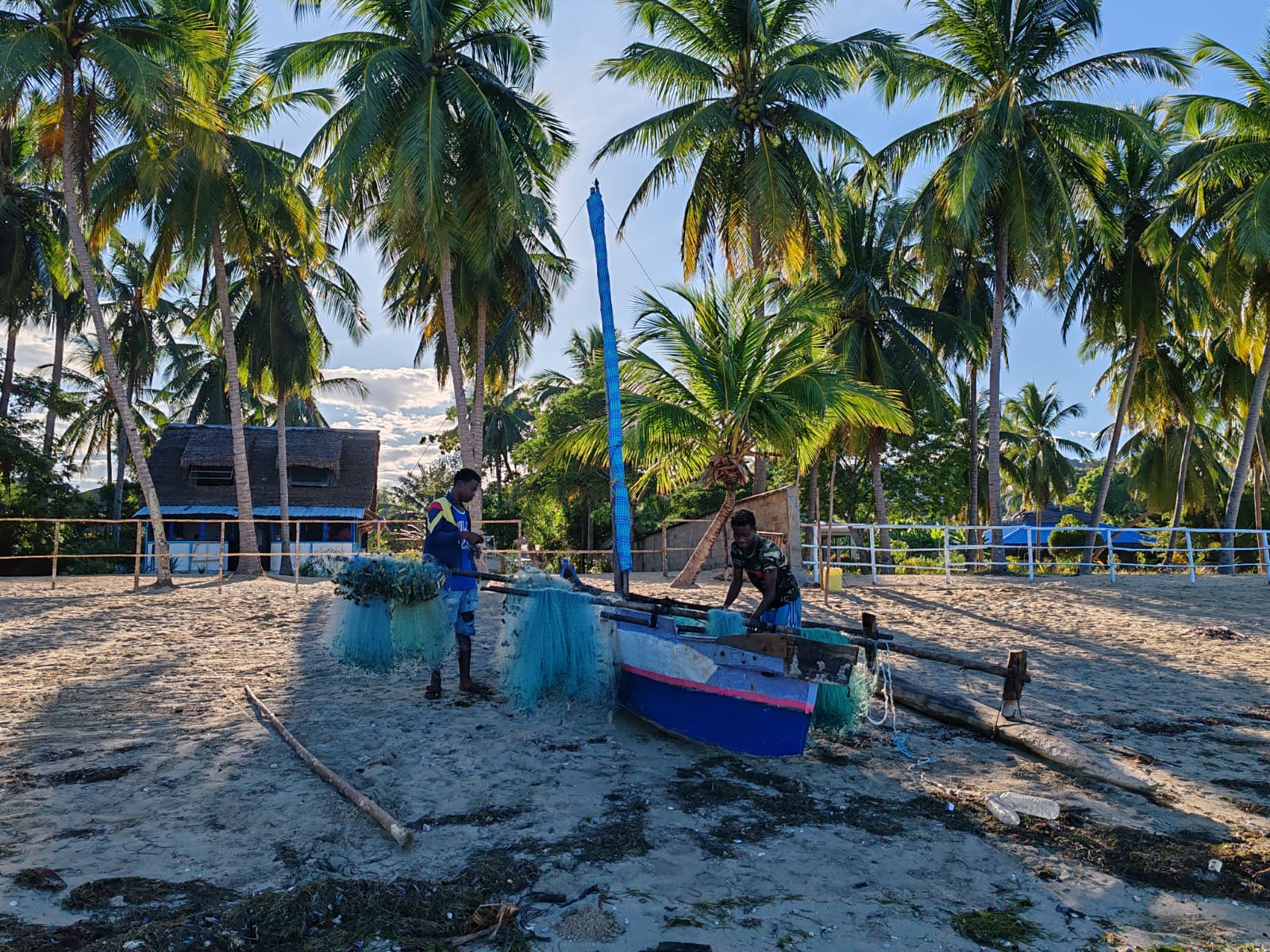
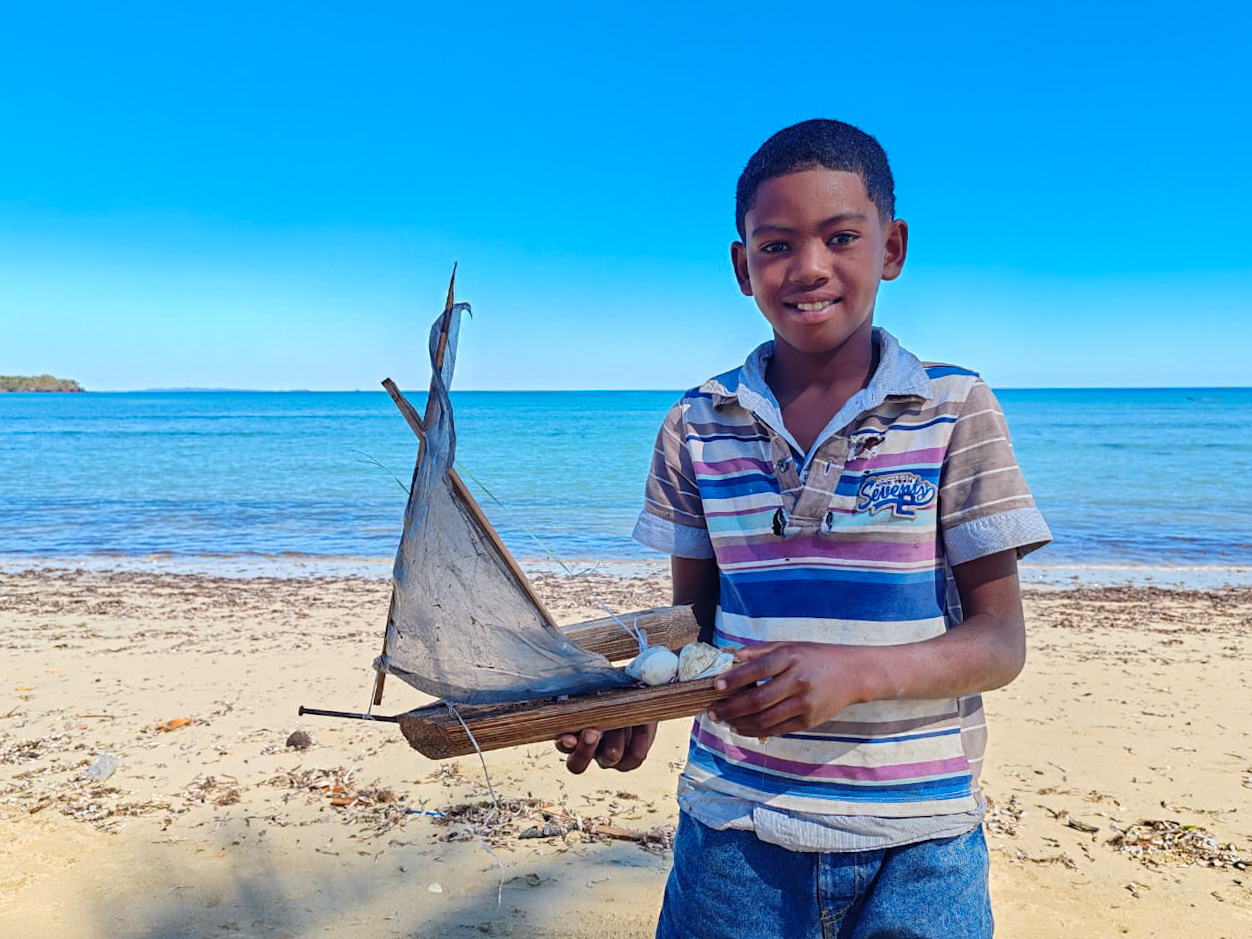
    The people of Nosy Be are warm, welcoming, and proud of their rich heritage. Many families trace their ancestry back generations, preserving traditions passed down over time. Malagasy culture is deeply rooted in respect for elders and community life. Local customs often reflect a strong connection to the land, sea, and family.

    Language plays an important role in daily life, with Malagasy being the primary language spoken across the island. French is also widely used, especially in schools, businesses, and among older generations. Italian influences can be seen in some communities, largely due to a small but established expat presence. This mix of Malagasy, French, and Italian culture creates a unique, cosmopolitan island atmosphere.

    The locals are known for their friendliness and hospitality, always ready to greet visitors with a smile. I’ve always felt safe walking through villages, markets, and beaches, even late in the evening. People are eager to share their culture, whether through music, dance, or storytelling. Artisans take pride in their crafts, creating wood carvings, woven textiles, and jewellery that reflect local traditions.

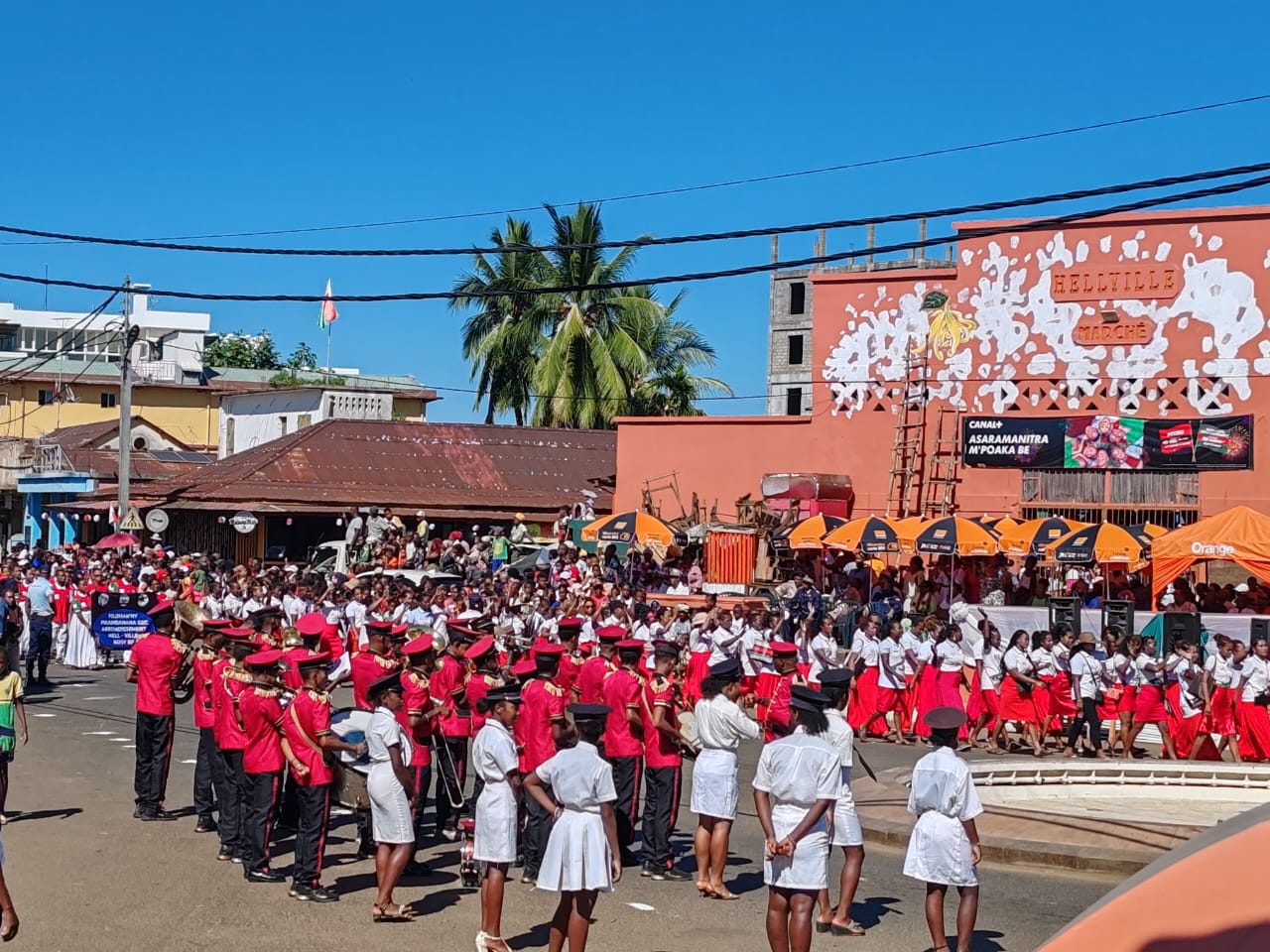
    Many families live close to one another, supporting each other in everyday life. Village life is often centered around communal activities, markets, and festivals. The French and Italian communities contribute to the island’s charm, often opening cafes, restaurants, and boutique shops. These expats are friendly and helpful, always willing to assist newcomers or tourists.

    Malagasy cuisine, influenced by French and Italian culinary practices, is shared generously with visitors. Children grow up learning both Malagasy traditions and European languages, creating a blend of heritage and modernity. Music and dance are integral to daily life, from traditional drum performances to contemporary island rhythms. Religion also plays a role, with many practicing Christianity alongside ancestral beliefs.

    Local markets are vibrant hubs where everyone interacts with warmth and humour. People often gather in the evenings for socialising, sharing stories, or enjoying music together. Visitors frequently remark on how welcoming the community feels, making every stay memorable. I always leave feeling a deep appreciation for the generosity and spirit of the island’s residents. Nosy Be’s people embody a harmonious blend of history, culture, and friendliness, ensuring every visitor feels at home. Their warmth, openness, and pride in their heritage make the island more than just a destination—it feels like a true home away from home.
  • Best Nosy Be Weather Times: When to Visit Madagascar’s Paradise

    Best Nosy Be Weather Times: When to Visit Madagascar’s Paradise

    Best Nosy Be Weather Times: When to Visit Madagascar’s Paradise

    Best Nosy Be Weather Times: When to Visit Madagascar’s Island Paradise: Nosy Be, the jewel of Madagascar’s northwest coast, is famous for its turquoise waters, lush rainforests, and vibrant marine life.

    From Ant…

    “I’ve always loved visiting Nosy Be, Madagascar, because its tropical climate makes it a year-round
    paradise. The island has two main seasons, each offering a very different experience. The hot, rainy
    season runs from December to March, while the cooler, dry season stretches from May to October.
    Temperatures usually hover between 24°C and 32°C, but during the rainy months, the humidity can
    make it feel much warmer. I’ve experienced heavy afternoon showers during this period, often short
    but intense, which can be both refreshing and dramatic. Tropical storms are more likely at this time,
    and cyclone season peaks between January and March, so I always make sure to monitor weather
    updates before planning activities. Even with the rain, there are often long sunny spells, and I’ve
    enjoyed early morning walks on the beach with the warm sun breaking through after a shower.
    The dry season is by far my favourite time to visit Nosy Be. From May to October, temperatures are
    slightly cooler, ranging from 20°C to 28°C, and the humidity is much more comfortable. The skies are
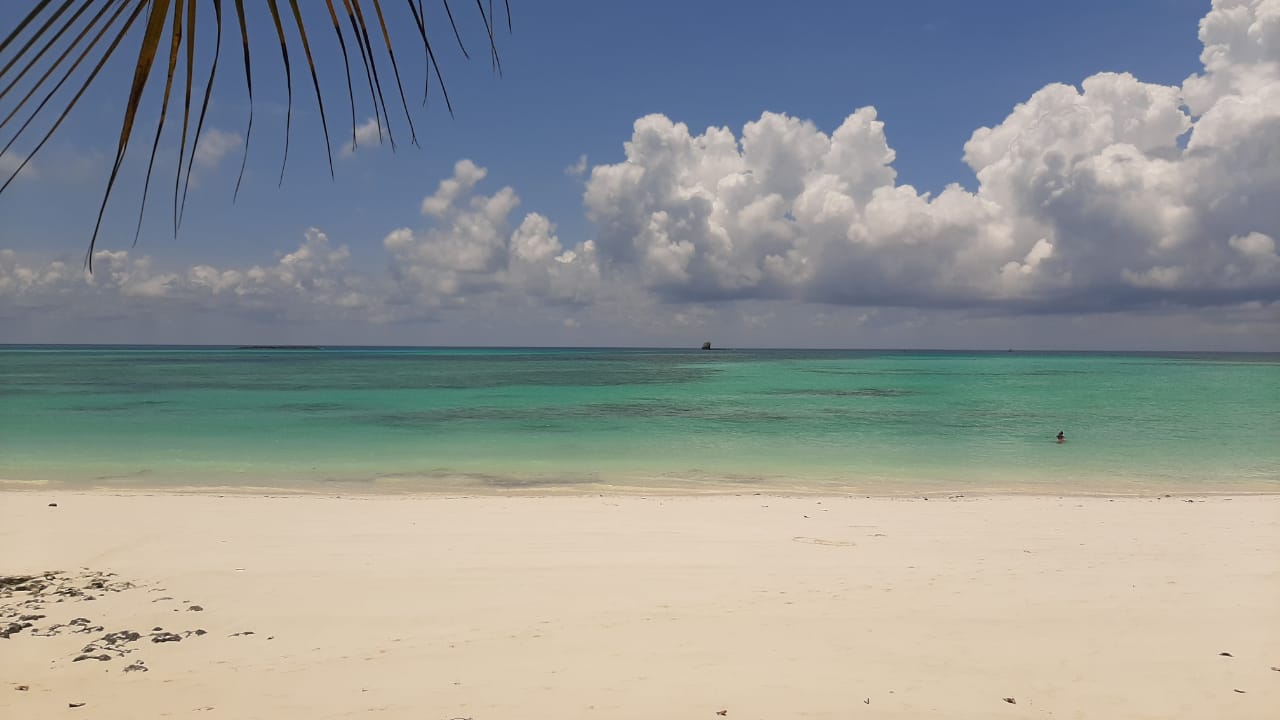
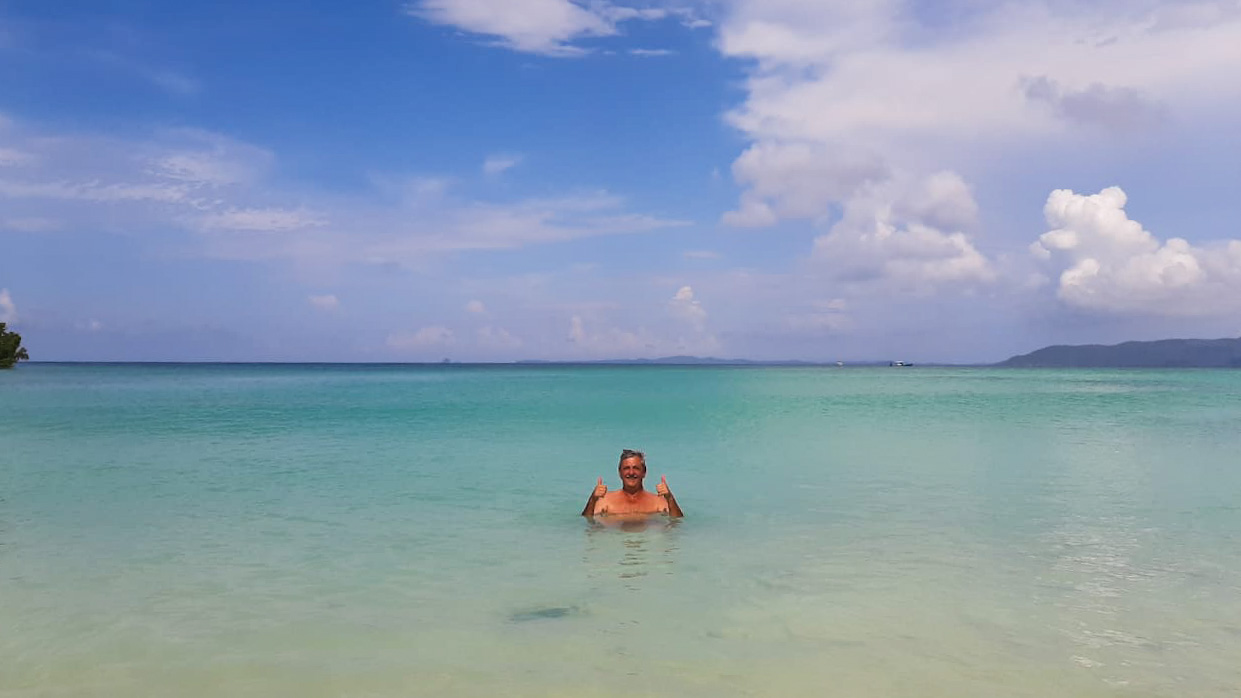
    usually clear, and the calm ocean waters make swimming, snorkelling, and diving ideal. Wildlife is
    also easier to spot during these months—lemurs, birds, and even sea turtles are far more active and
    visible. I love waking up to spectacular sunrises and watching the sunsets over the ocean, which are
    perfect for photography or simply relaxing with a cocktail.
    For scuba diving and snorkelling, the dry season is unbeatable. Visibility is at its clearest, and I’ve had
    incredible encounters with vibrant coral reefs, tropical fish, and even gentle dolphins. Kayaking,
    paddleboarding, and sailing are calmer and much safer during these months, and deep-sea fishing
    trips are smooth and enjoyable. During the wet season, however, I’ve noticed some inland roads can
    become slippery, and heavy rains may temporarily disrupt tours or make remote villages harder to
    reach.
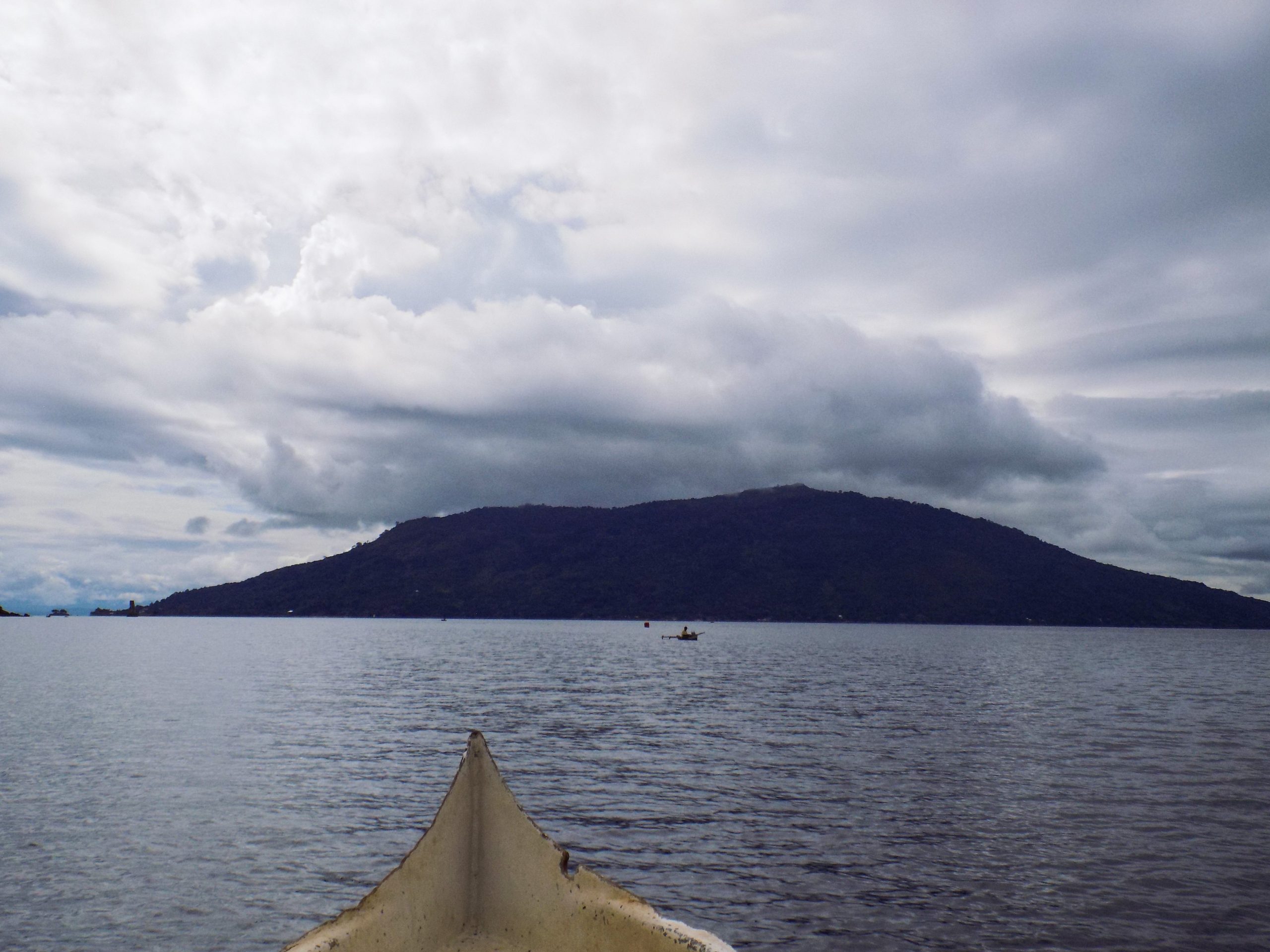
    The island’s rainfall is influenced by the southeast trade winds, with most rain falling in short, heavy
    showers during the afternoon or evening. Mornings are usually bright and sunny, even in the wet
    season, which is perfect for exploring before the rain comes. Cyclones are rare but can be intense, so
    I always check forecasts and travel advisories if I’m visiting between December and March. April to
    June marks the transition from wet to dry weather, while September and October are warm, dry,
    and breezy. November is the start of the pre-rainy season, with occasional showers.
    Overall, I’ve found that the best time to visit Nosy Be is between May and October. During these
    months, the weather is reliable, crowds are smaller, and outdoor activities are more enjoyable. I
    always pack light clothing, sun protection, and a light rain jacket just in case. Early mornings and late
    afternoons are my favourite times to be outdoors, whether I’m hiking, snorkelling, or strolling along
    the beach. Even in the wet season, the nights are warm, the forests are lush, and the island still feels
    vibrant and alive. Nosy Be’s climate allows for both pure relaxation and adventurous exploration,
    and with careful planning, every trip feels safe, comfortable, and unforgettable. Understanding the
    weather patterns has helped me choose the perfect time for my holidays, ensuring I can enjoy the
    beaches, wildlife, and cultural experiences to the fullest.”

    Summary

    To truly enjoy this island paradise, timing your visit around the weather is essential. Understanding the best Nosy Be weather times helps you plan for clear skies, calm seas, and unforgettable adventures.

    🌞 Dry Season (May – October)

    Highlights: Sunny days, low humidity, cooler evenings.

    Best for: Diving, snorkeling, fishing, and island‑hopping.

    Why: Calm seas and excellent underwater visibility make this the prime season for marine activities.

    🌧 Wet Season (November – April)

    Highlights: Warm, humid, with tropical showers.

    Best for: Lush landscapes, birdwatching, and cultural immersion.

    Why: Rain brings out Nosy Be’s greenery and wildlife, though seas can be rougher.

    🛠 Travel Tips

    Peak months: July–September (dry, cool, perfect for outdoor adventures).

    Avoid: January–March if you want to skip heavy rains and possible cyclones.

    Balance: April and October offer a sweet spot — fewer crowds, moderate weather.

    ✅ Conclusion

    The best Nosy Be weather times depend on your travel style:

    Adventure seekers → May to October.

    Nature lovers → November to April.
    Either way, Nosy Be rewards you with unforgettable experiences year‑round.

    AI SEO by The Sardine News